Alex
Ojeda Copa
- Sociologist and Software Engineer
- PhD in Social Studies of Technology
- MSc in Software Engineering and Computer Systems
- Research Master's in Social Sciences, specialization in Sociopolitical Processes and Dynamics
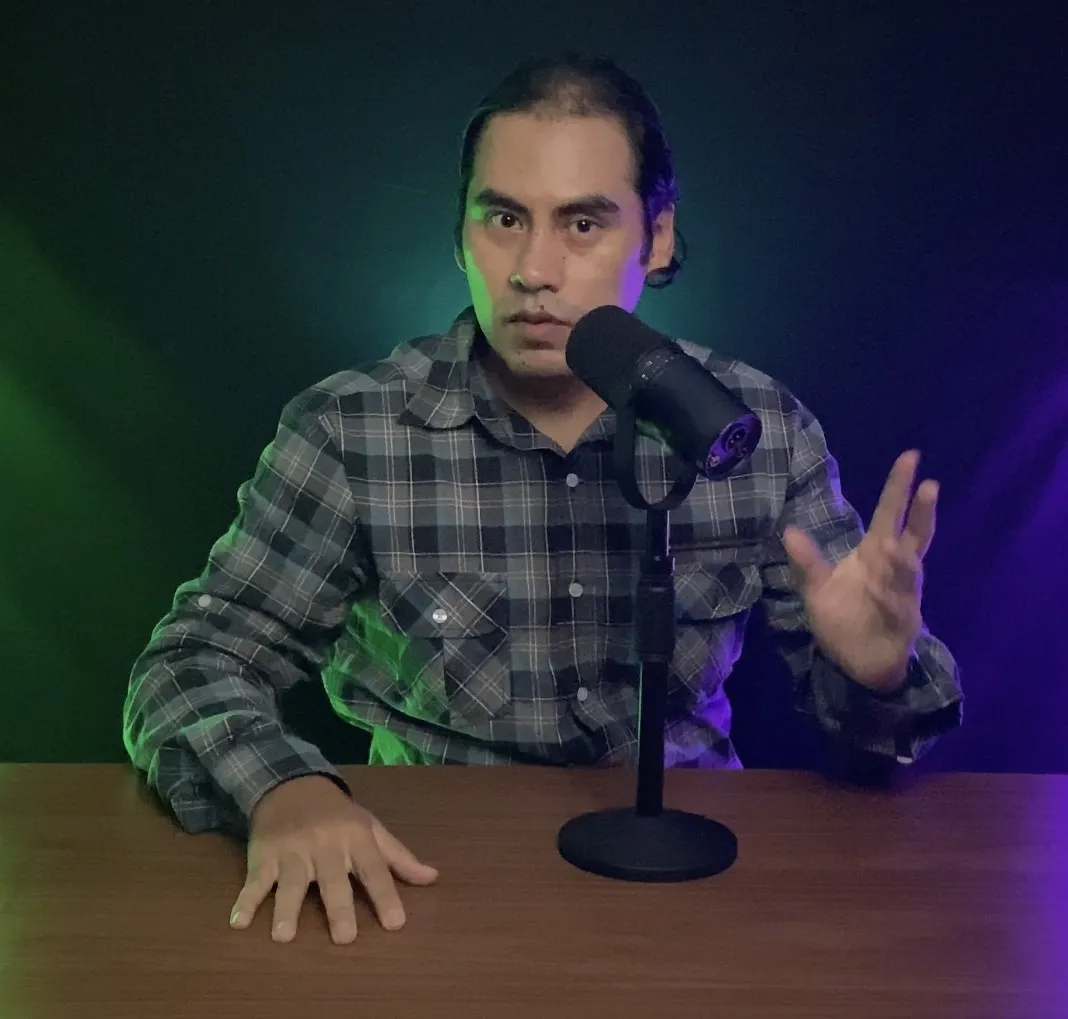
In academia, I specialize in Science, Technology and Society; Computational Social Science and Digital Sociology. In practice, I specialize in building technologies for social purposes. I currently direct Lab TecnoSocial, where I coordinate research and social intervention projects with digital components and citizen participation.
Over 16 years of experience in social research and software development, with 85 projects that bring social research and technological practice together.
Open to collaborations and proposals, remote or hybrid
Lines of research
All publications-
Societal digitalization and the digitalization of Bolivia
This is my longest line of work: what the digitalization of a society is, how it is measured and how it unfolded in Bolivia. My doctoral thesis reviews global theories and indices and tests them against the Bolivian case, and my most recent book tells that process from 1970 to 2024.
- El proceso de digitalización en Bolivia (1970-2024) (2025)
- Digitalización societal: Teorías sociales e índices de medición (2025)
-
Digital sociology and networked citizen movements
I study how citizens organize, communicate and act on digital networks, and how those networks change Bolivian politics. I start from the sociology of the Internet and propose a technosociological model: the digital cannot be explained by technology alone or by society alone.
- Movimientos ciudadanos en red. Acción colectiva, redes sociales digitales y ciudadanismo en Bolivia (2010-2017) (2020)
- Una década de sociología digital en Bolivia (2011-2021) (2021)
-
Disinformation, polarization and hate speech
I analyze how disinformation and hate speech circulate online during periods of conflict, using data rather than intuition. Networks do not create polarization on their own; what I look at is how they amplify it and who takes part.
- Convergencia entre desinformación política y social en el conflicto electoral de 2019 en Bolivia (2020)
- El discurso de odio político en redes sociales durante la coyuntura electoral 2020 en Bolivia. (2021)
-
Open data and civic technology
I research the open data movement as a technopolitical project and the actors that sustain it in Bolivia, and I practice it, from public procurement to the lab I lead. It is the line where research and tool-building touch the most.
- Datos abiertos y contrataciones estatales en Bolivia (2020)
- El movimiento de datos abiertos como proyecto tecnopolítico (2021)
-
AI and society: artificial societies
I look at AI through the social studies of technology: its history, its social problems and what it takes to measure it instead of simply believing it. My current line, artificial societies, brings together social simulation, AI agents and the difficulty of predicting collective outcomes.
- La Inteligencia Artificial desde la perspectiva de los Estudios Sociales de la Tecnología (2025)
- Inteligencia artificial: Historia y problemas sociales (2023)
-
Software industry, the city and digital commons
I study who writes software, where and under what conditions, starting with Cochabamba, and how Bolivian cities are digitalized. It is research on a trade I also practice, which is why I try to say where I am looking from.
- El trabajo de programación de software en Cochabamba (2024)
- Desarrollo de software, educación STEM y hubs metropolitanos: El caso de Cochabamba (2025)
Recently published
- 2025
Bolivia 2025: Digitalización, hiperabigarramiento y nación
- 2025
- 2025
- 2025
- 2025
Recognition
-
“Libertad del Tunari” Honorary Distinction, Scientific Merit category
-
NovaGob Mexico 2026 Award, “Innovation in Latin American Public Management” category (PAP Sacaba)
-
Young Researcher Recognition, 15th anniversary of INCISO
-
National Digital Journalism Award 2024, for the report “Bolivia, el país de la tierra envenenada”
-
First place, InnovaTIC Awards 2024, E-Social category (PAP Sacaba)
-
First place, Kamay Awards 2024, Technology-Based Innovation
I also build
-
Software, data and AI
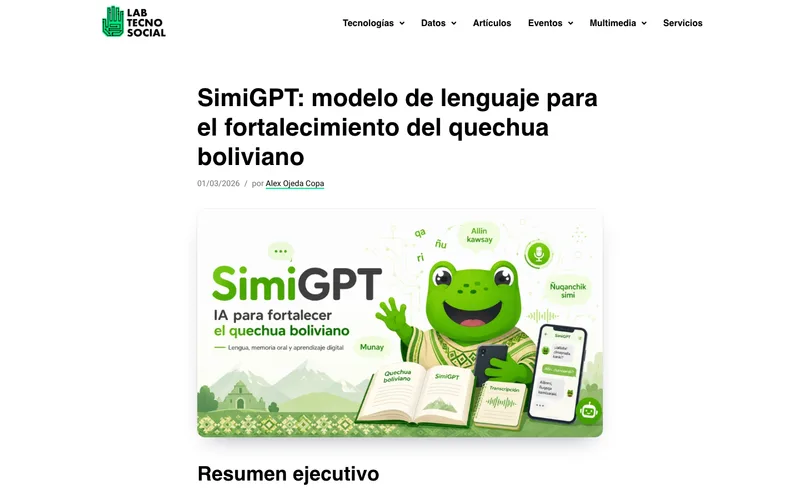
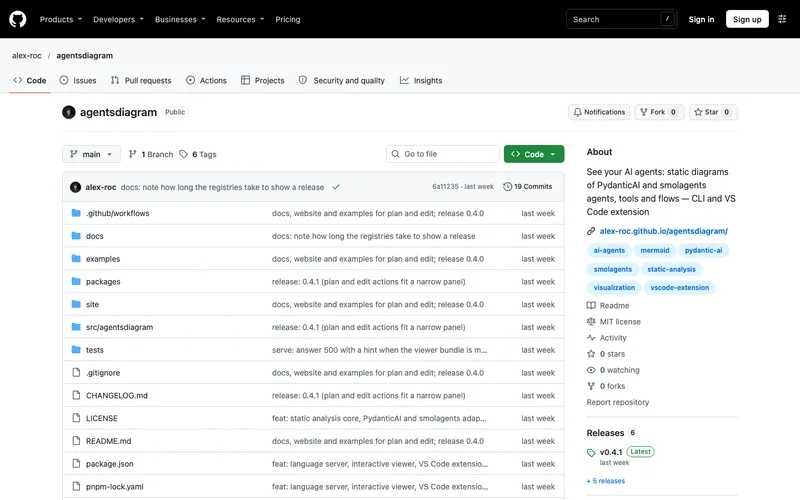
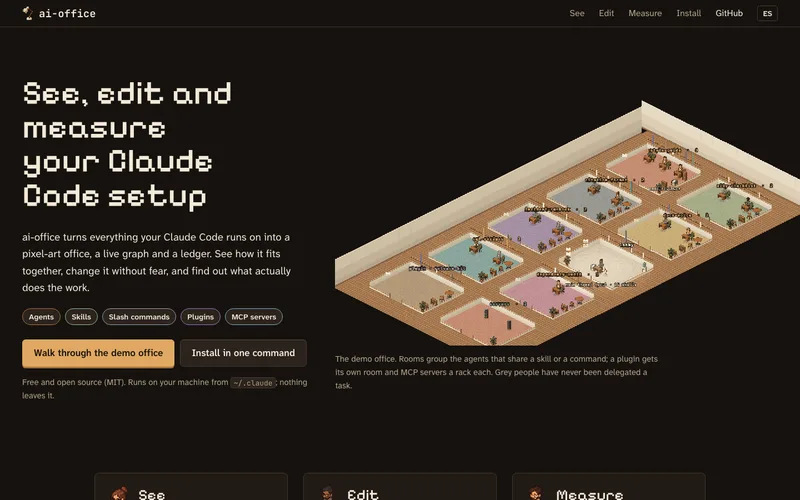
Packages on CRAN and PyPI, plugins for QGIS and Obsidian, platforms and apps for public problems.
-
Creation
Electronic music, games and engines, video and visual art, almost always with some code involved.
-
Outreach
Columns, talks, videos and blog posts that take research out of the university.
In progress
Everything coming up-
Ongoing
Artificial societies
My current research line: social simulation, agent systems, artificial intelligence and the difficulty of predicting collective properties. I presented it at UMSA in late October 2026, with live demos.
-
Coming soon
Academic Studio
A desktop academic writing environment built on plain Markdown files: notes, writing, thematic analysis, tracked changes, Zotero and Pandoc export, all on your machine. It is part of heuretika, my local-first software line for researchers; the waitlist is open.
-
Beta
Emergent Societies
A desktop lab for agent-based social simulation, where classic rule-based models and language agents run under the same protocol, with fixed seeds, replicates and results reported with their spread. It is in private beta, with a browser demo.
-
Being written
What do large language models know about Bolivia?
A book in progress that measures what large language models know, ignore and make up about Bolivia. It brings my two axes together: measuring, with method, what a machine says about the country.